A switchgear panel doesn’t announce that it’s failing. No warning light flashes a week before a breaker seizes or a busbar connection loosens enough to arc. Most plant managers find out the hard way, usually during a production run that mattered, usually at the worst possible hour. The good news is that almost every one of those failures had a maintenance gap sitting behind it, quietly, for months.
That’s the part of switchgear ownership nobody talks about enough. Buying reliable equipment gets you halfway there. Keeping it reliable is a separate job, and industrial switchgear maintenance handles it far better than reactive repairs ever will.
Why Industrial Switchgear Maintenance Gets Pushed to the Bottom of the List
In our experience, switchgear maintenance loses priority for a simple reason: the equipment usually keeps working right up until it doesn’t. There’s no visible wear the way there is on a conveyor belt or a motor bearing. Contacts oxidise inside a closed panel. Insulation degrades from heat cycling that nobody’s watching. Connections loosen from vibration that’s been happening since installation day. None of it shows on the outside.
What most people don’t realise is that this invisibility is exactly why a structured maintenance schedule matters more for switchgear than for almost any other piece of industrial equipment. You’re not maintaining based on what you can see. You’re maintaining based on what you know happens over time, regardless of appearances.
The Core Industrial Switchgear Maintenance Checklist
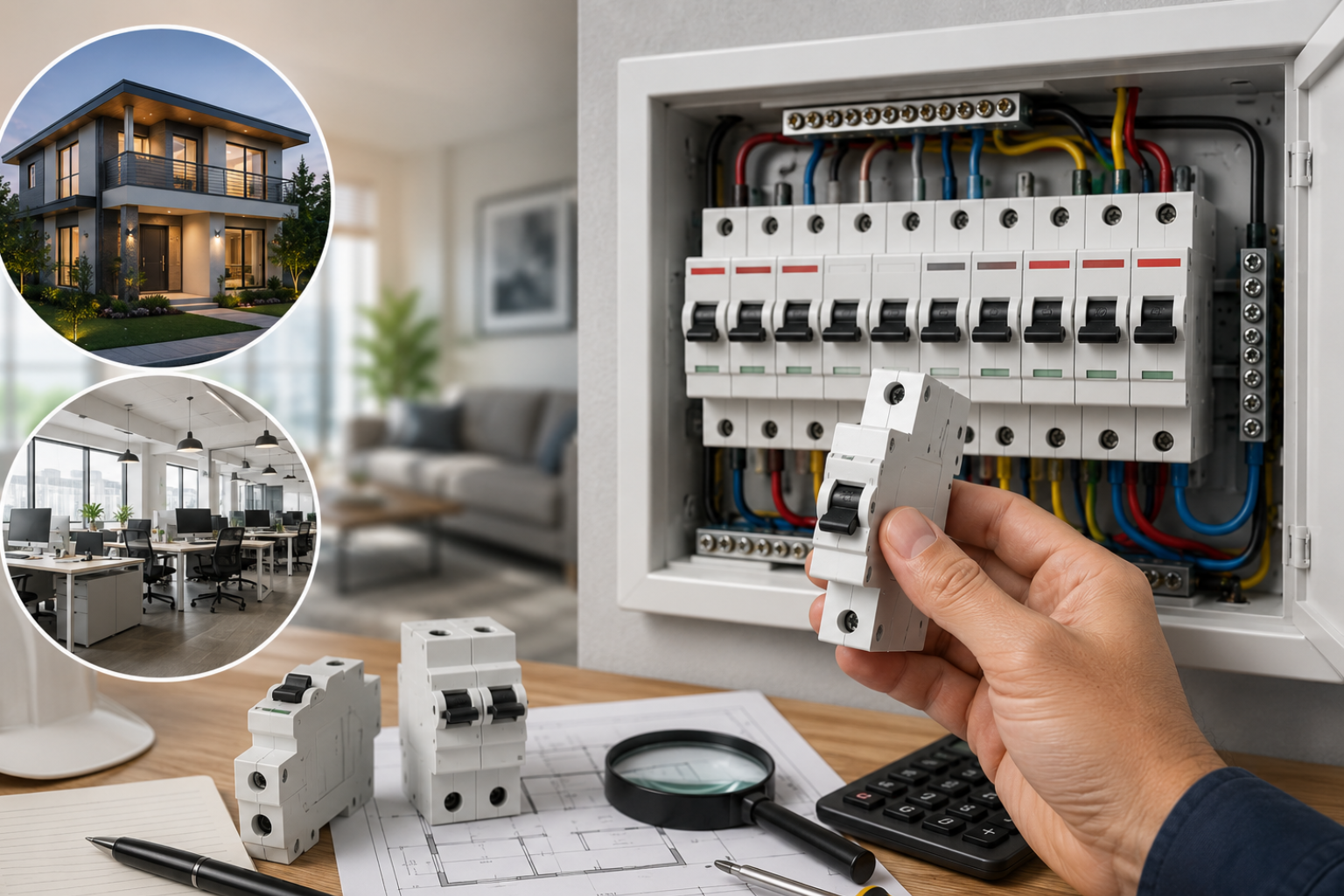
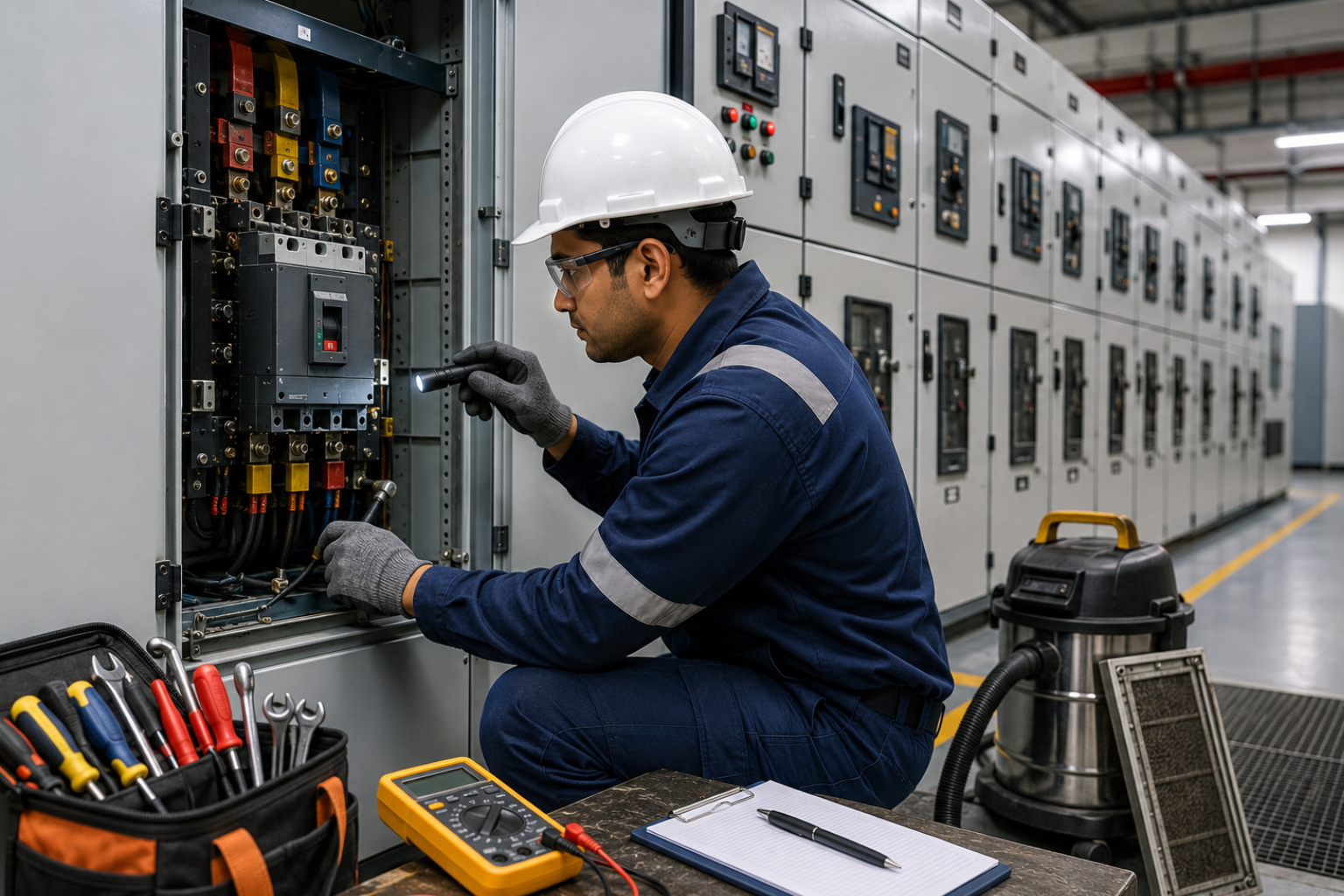
Here’s where things get interesting, because a genuinely useful switchgear maintenance checklist isn’t a generic annual to-do list. It changes based on load, environment, and circuit criticality. That said, every industrial facility should run a core set of checks.
Visual and Thermal Inspection
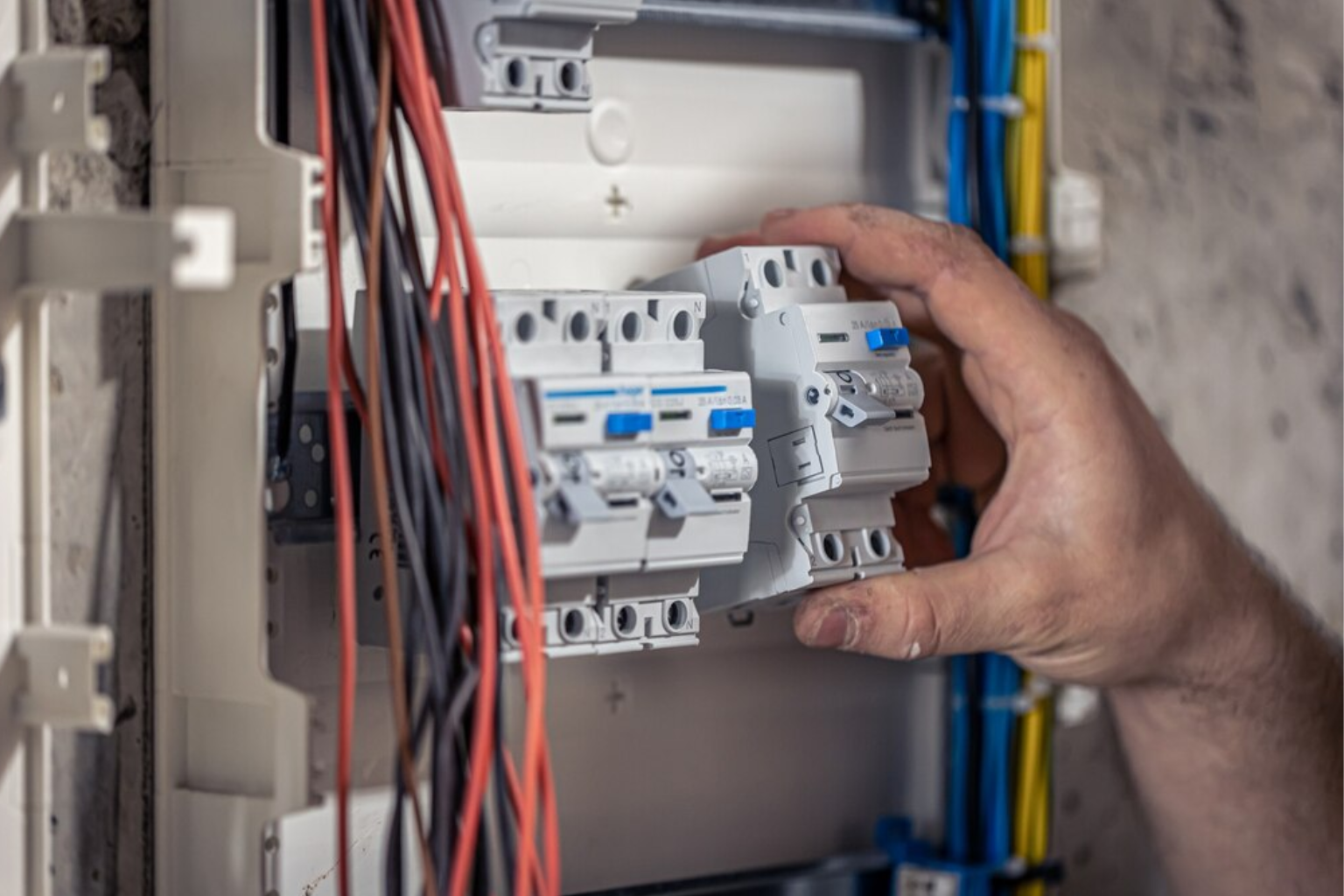
Start here, every time. A visual inspection catches discolouration, corrosion, signs of moisture ingress, and physical damage to enclosures and bus bars. Pair it with thermal imaging during operation. Hot spots at connection points are among the earliest and most reliable indicators of a developing fault, often weeks before it becomes visible.
Contact and Connection Integrity
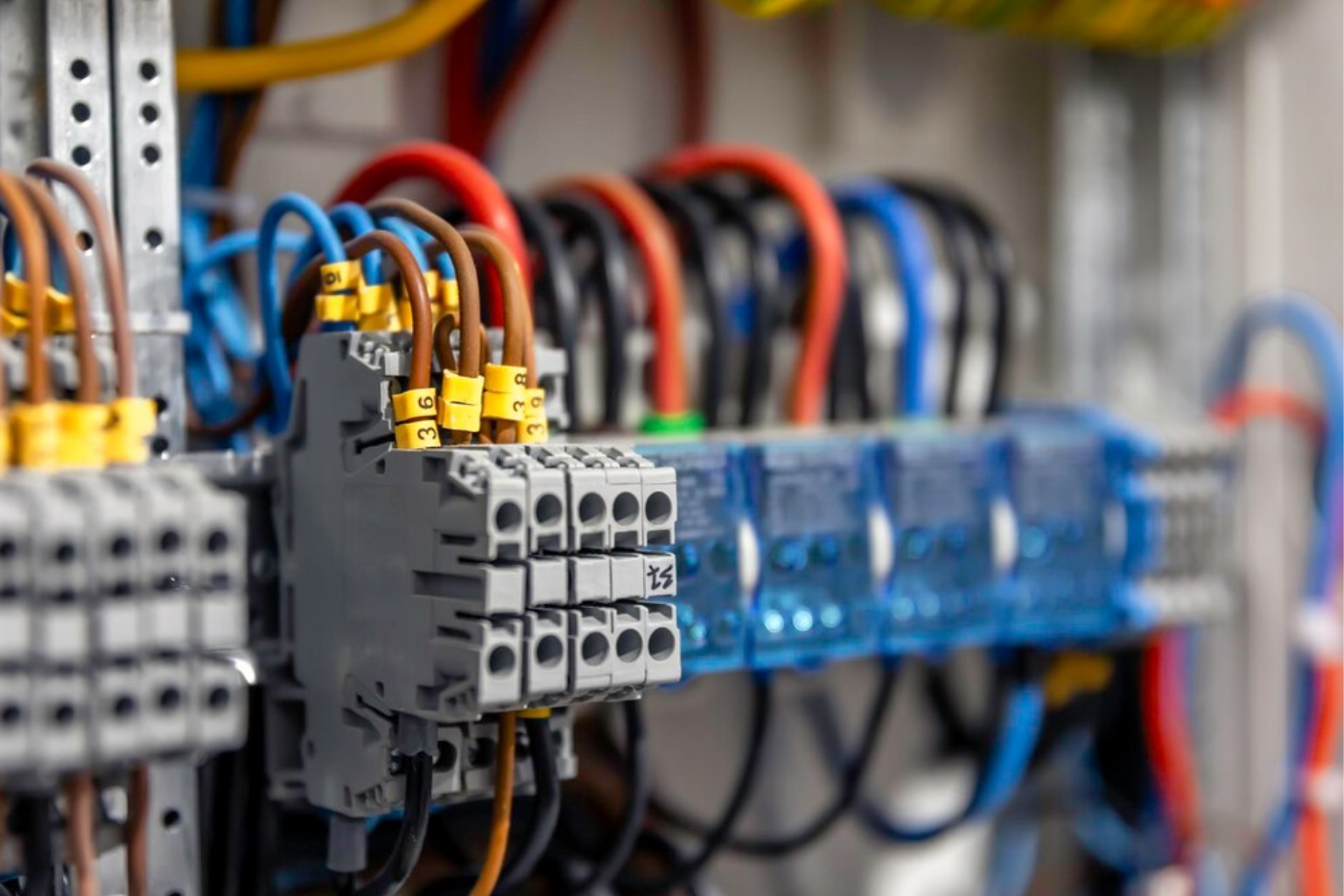
Loose connections are the single most common cause of switchgear failure, and they’re almost entirely preventable. Torque checks on bolted connections, resistance testing on contacts, and cleaning of oxidised surfaces should be non-negotiable parts of any switchgear maintenance routine. A connection that’s even slightly loose generates resistance, resistance generates heat, and heat accelerates degradation of everything around it.
Insulation Resistance Testing
Insulation doesn’t fail overnight. It breaks down gradually from heat, humidity, and contamination, and by the time it’s visibly compromised, you’re often already looking at a costly repair. Periodic insulation resistance testing gives you a trend line instead of a surprise, which is the entire point of preventive maintenance.
Mechanical Operation Checks
Breakers and switches need to move as designed. Sluggish operation, resistance in the mechanism, or inconsistent trip times are early signs of wear in the operating linkage. These checks are easy to skip because they take physical time on-site, but they’re also the checks most likely to catch a problem before it becomes an outage.
Protection Device Calibration
A switchgear system is only as good as its protection scheme. Relays, trip units, and protection devices need periodic calibration to confirm they’ll respond as intended under fault conditions. An uncalibrated protection device isn’t a small oversight. It’s the difference between a contained fault and destroyed equipment.
Environmental and Enclosure Checks
Dust, humidity, and pest ingress are underrated causes of switchgear degradation, especially in facilities without climate-controlled electrical rooms. Enclosure seals, ventilation paths, and filter condition all deserve a place on the checklist, not as an afterthought.
Building a Maintenance Schedule That Actually Gets Followed
A checklist only works if it turns into a habit. In our experience, the facilities that get the most out of their switchgear maintenance programs aren’t necessarily the ones with the most detailed procedures. They’re the ones that match maintenance frequency to actual risk.
Critical circuits, high-load panels, and equipment in harsh environments warrant more frequent inspection than a lightly loaded distribution panel in a climate-controlled room. Layering your schedule this way keeps maintenance sustainable instead of becoming a burden that gets deferred the first time production gets busy, which, realistically, is when most deferred maintenance decisions get made.
Documentation matters just as much as the inspection itself. A thermal scan or resistance reading is only useful if you compare it to the last one. Trends tell you far more than any single data point, and they’re what turn switchgear maintenance from a compliance exercise into an actual predictive tool.
How Equipment Quality Changes the Maintenance Equation
It’s worth saying plainly: not all switchgear ages the same way. Build quality, material selection, and manufacturing tolerances directly affect how much maintenance a system needs and how forgiving it is when maintenance gets delayed by a week or a month. Switchgear built to recognised safety and performance standards tends to hold tighter tolerances over time, which means slower degradation of contacts, connections, and insulation under the same operating conditions.
This is where the equipment you start with quietly shapes the maintenance program you end up running. Well-engineered switchgear doesn’t eliminate the need for a maintenance checklist, but it does mean that checklist works with a system designed to age predictably rather than one already fighting tight tolerances and shortcuts.
The Real Payoff of a Disciplined Maintenance Routine
Extending equipment life isn’t really about squeezing a few extra years out of a switchgear panel. It’s about avoiding the unplanned shutdown that costs far more than any maintenance program ever would, and about protecting the people working around that equipment every day.
A disciplined industrial switchgear maintenance routine turns switchgear failure from an unpredictable event into something you can anticipate and plan for. That shift, from reactive to predictive, is where the real value sits.
At Eurogrid, our industrial switchgear is engineered around exactly this kind of long-term reliability, built to world-class safety standards and designed to hold up under demanding industrial conditions. If you’re evaluating switchgear for a new installation or looking to upgrade equipment that’s making maintenance harder than it needs to be, our team is a good place to start that conversation.