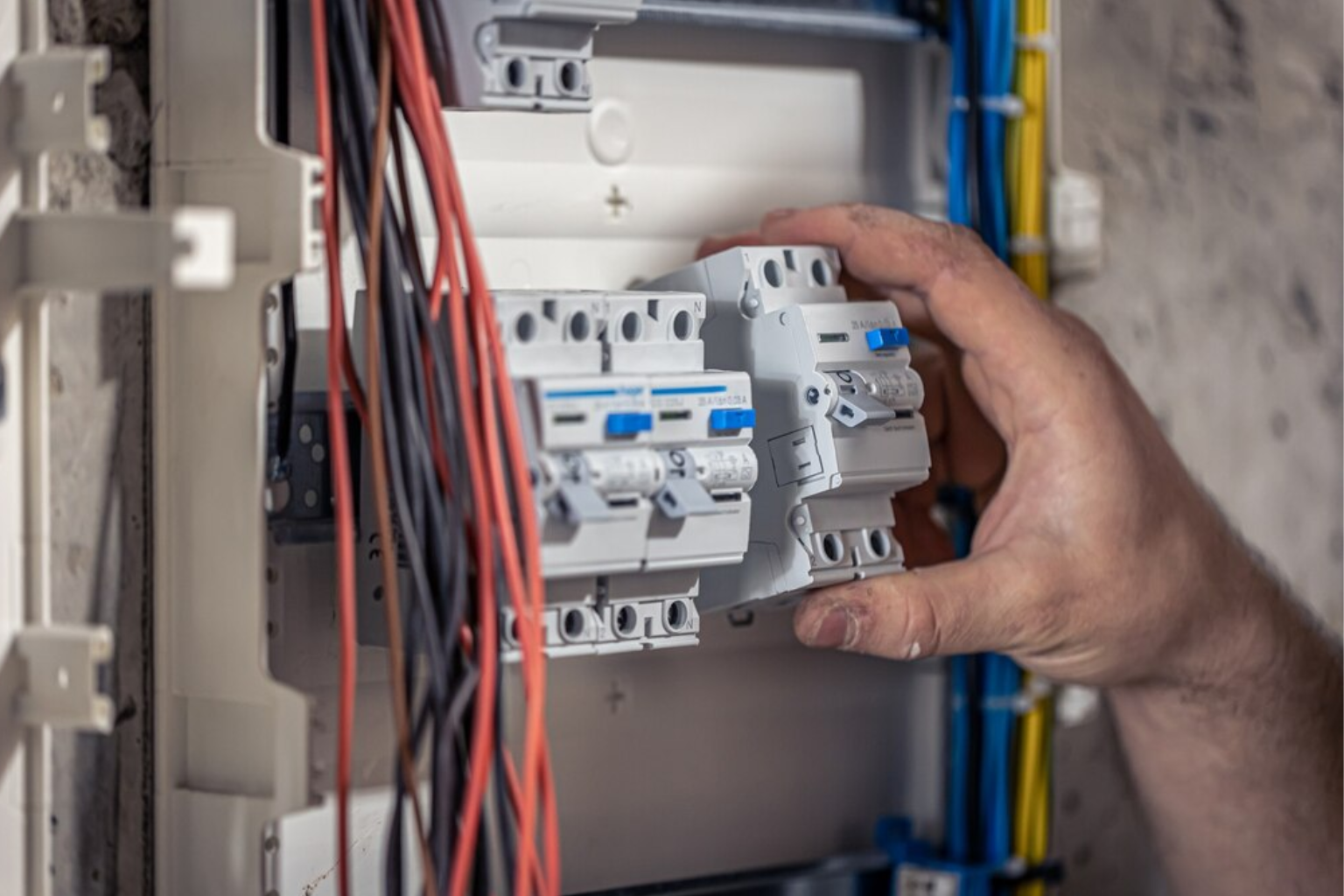
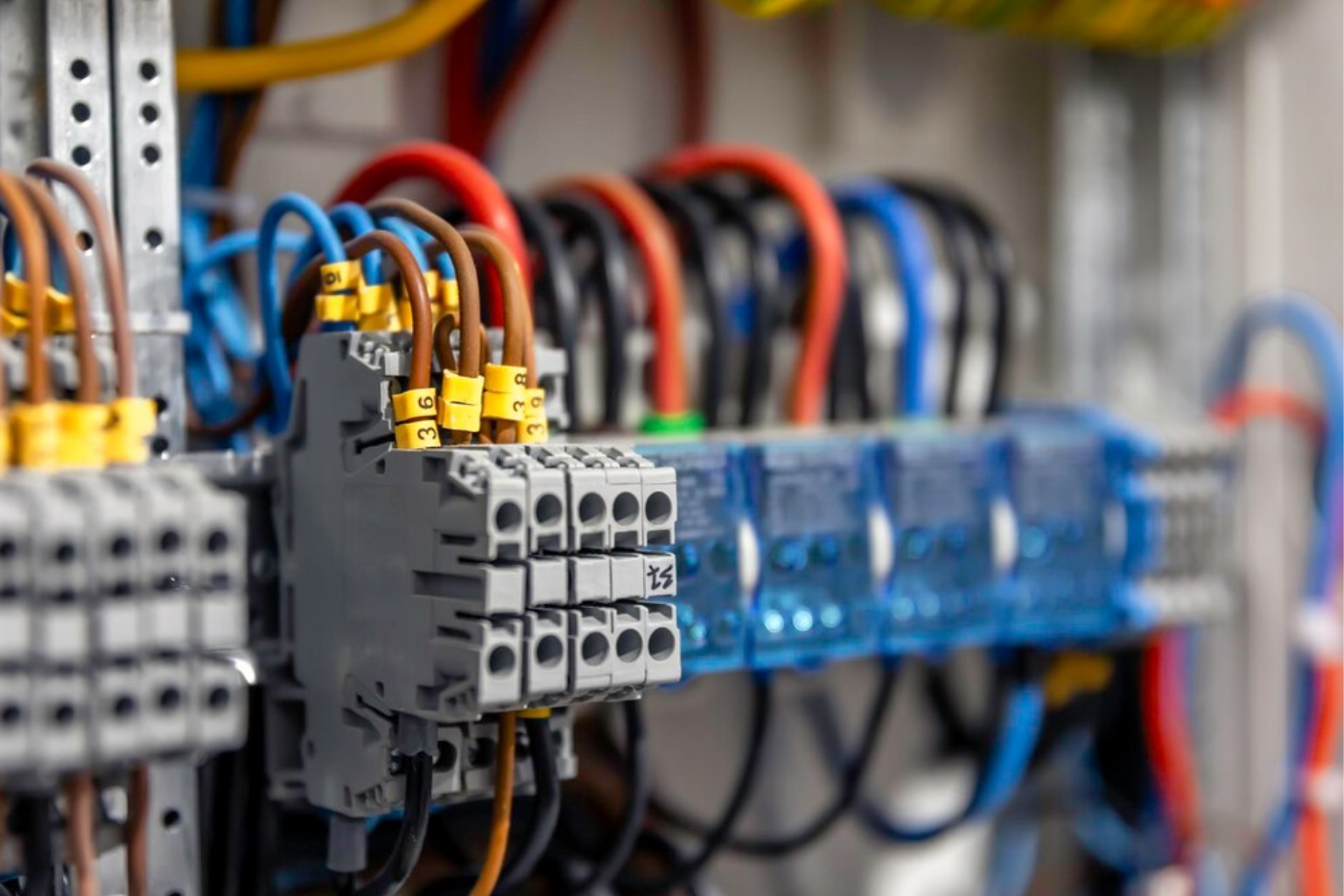
An electrician on a factory floor in Bhiwandi gets a call: “The breaker keeps tripping.” He assumes overload, too many machines running on one line, and tells the client to redistribute the load. Three days later, the same panel trips again, except this time there’s a faint smell of burnt insulation. It wasn’t an overload at all. It was a short circuit building up under the surface, and the wrong assumption nearly cost them a fire.
This mix-up happens more often than most people realise. Overload and short circuit are treated as interchangeable terms in everyday conversation, but in your electrical system, they are two completely different events, and they demand two completely different responses. Understanding the difference isn’t just technical trivia; it’s the foundation of choosing the right Circuit Protection Devices for your home, office, or industrial setup.
Two Different Faults, One Word You Keep Hearing: “Trip”
When a breaker trips, most people stop investigating right there. The power’s back on after a reset, so the problem feels solved. What most people don’t realise is that a trip is just the symptom; the actual cause could be a gradual buildup of current draw or a sudden, violent fault that bypassed the resistance entirely. Good Circuit Protection Devices are engineered to recognise this difference in milliseconds and react accordingly.
In our experience working with both residential and industrial electrical setups, the confusion between these two faults is the single biggest reason people either under-protect their circuits or invest in protection that doesn’t match their actual risk profile.
What Actually Happens During an Overload
An overload occurs when a circuit is asked to carry more current than it’s rated for, usually because too many appliances or machines are drawing power from the same line simultaneously. Think of it as a traffic jam, not a collision. The wiring is intact, the connections are sound, but there’s simply too much current trying to move through a conductor that wasn’t designed for that volume.
Why Overloads Build Up Slowly
This is the part that catches people off guard. Overloads aren’t instantaneous; they develop over seconds, sometimes minutes, as resistance generates heat and that heat accumulates in the conductor. This gradual nature is exactly why Circuit Protection Devices use a thermal response mechanism for overload detection. A bimetallic strip inside the device heats up as the current rises, bends past a threshold, and trips the circuit before the wiring insulation degrades or ignites.
The takeaway here is that overload protection is about patience with a deadline. The device needs to tolerate brief, normal current spikes (such as a motor starting up) without nuisance tripping, while still cutting power before sustained excess current causes real damage.
What Actually Happens During a Short Circuit
A short circuit is an entirely different animal. It occurs when current finds an unintended low-resistance path, typically due to damaged insulation, a loose connection, or moisture ingress that allows the live and neutral conductors to touch directly. Here’s where things get interesting: because there’s almost no resistance in that new path, current doesn’t rise gradually. It spikes instantly, sometimes to hundreds of times the rated current, within a fraction of a second.
Why Short Circuits Demand Instant Response
There’s no room for thermal buildup here; by the time heat would normally accumulate, the damage is already done. This is why Circuit Protection Devices rely on a magnetic tripping mechanism for short-circuit faults. A solenoid coil reacts to the sudden current surge and mechanically forces the breaker open almost instantaneously, often within 2.5 to 40 milliseconds depending on the device class.
If your protection device only had thermal sensing, a short circuit could cause arcing, equipment damage, or fire before the breaker ever reacted. That’s precisely why every well-engineered MCB combines both mechanisms in a single unit.
How Circuit Protection Devices Tell the Difference
Thermal vs Magnetic Tripping in MCBs
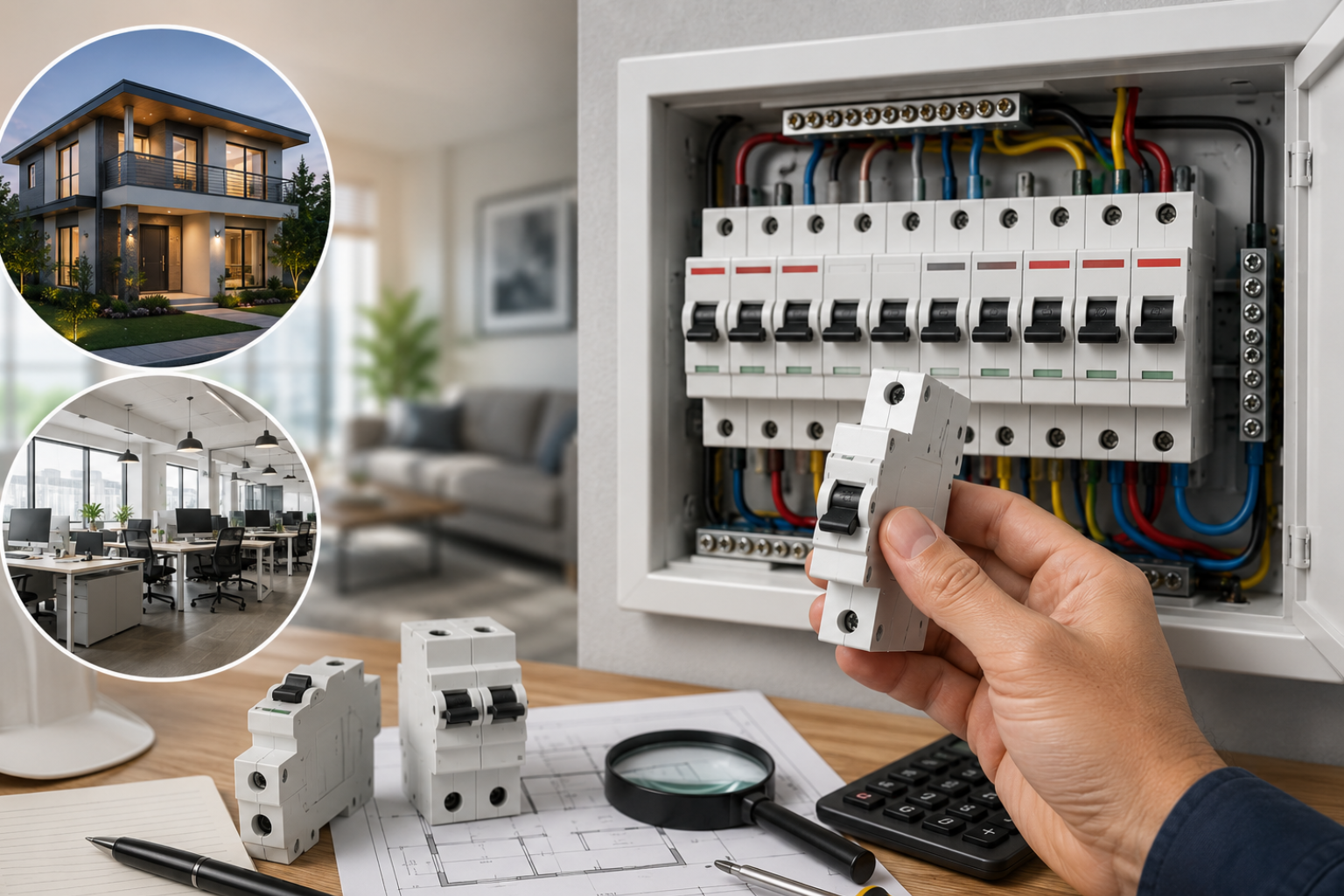
A standard Miniature Circuit Breaker is built with dual protection: the thermal element handles slow-building overloads, and the magnetic element handles sudden short circuits. This dual-curve design allows a single device to protect against both fault types without requiring separate hardware for each, which is also why MCB selection (current rating, breaking capacity, and trip curve type) matters so much. A B-curve MCB, for instance, behaves very differently under fault conditions than a C-curve or D-curve device, even though all three look identical on a panel.
Where MCCBs and RCCBs Fit In
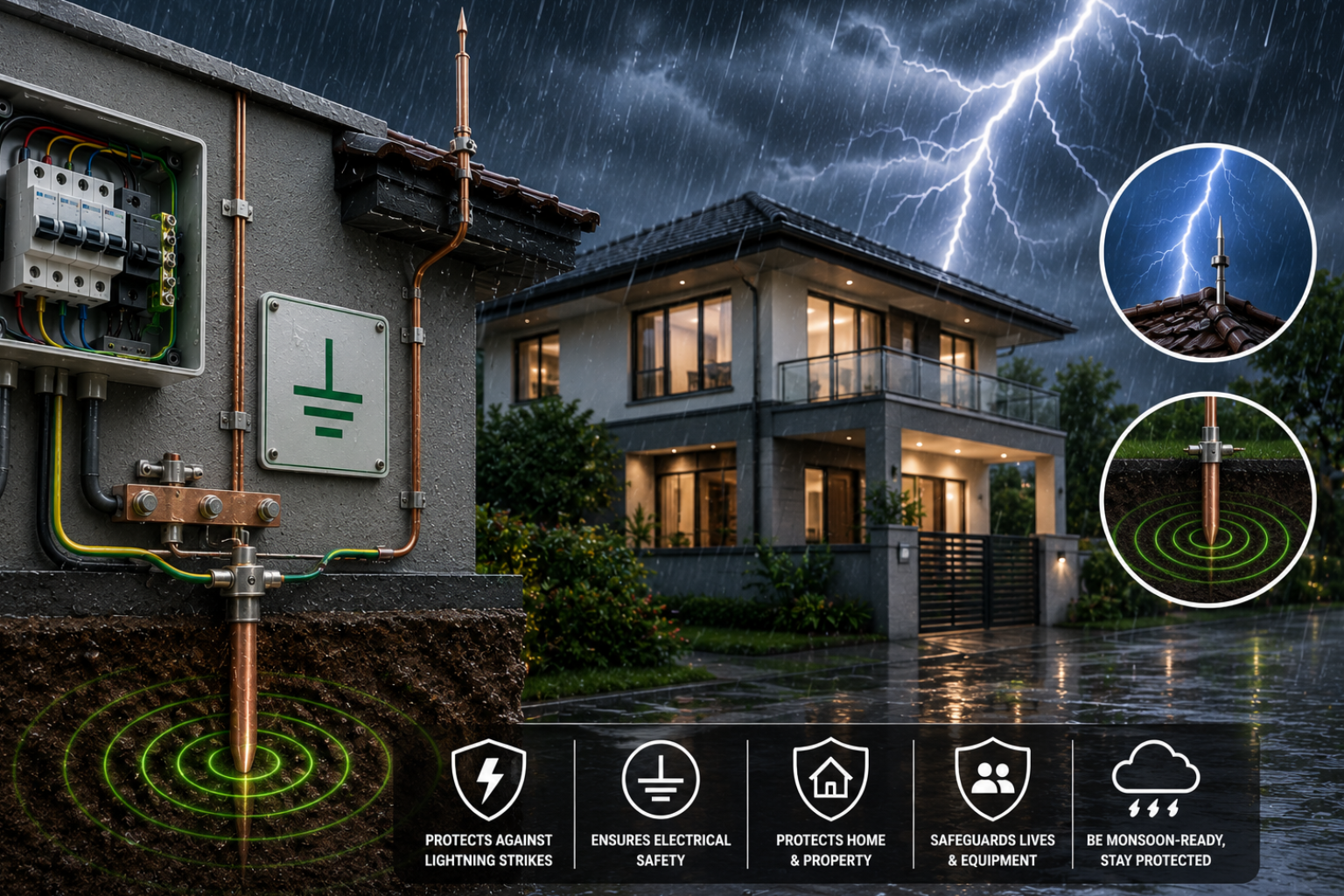
For higher-current applications, such as industrial machinery, large panels, and heavy commercial loads, Moulded Case Circuit Breakers apply the same principle with higher breaking capacities and adjustable trip settings. Meanwhile, Residual Current Circuit Breakers solve a related but separate problem: earth leakage and electric shock risk, rather than overload or short-circuit current. A complete protection strategy usually layers these devices together rather than relying on just one.
Why Choosing the Right Device Matters More Than People Think
Here’s something we see constantly: businesses and homeowners buy circuit protection almost as an afterthought, treating one MCB rating as good as another. But a device sized for a domestic kitchen circuit has no business protecting an industrial motor line, and vice versa. Undersized protection nuisance-trips constantly and erodes trust in the system. Oversized protection, on the other hand, can fail to trip quickly enough during an actual fault, which defeats the entire purpose of installing Circuit Protection Devices in the first place.
Common Mistakes in Selecting Circuit Protection Devices
A few patterns show up again and again in field inspections:
- Mismatched trip curves, using a D-curve MCB (built for high inrush currents) on a circuit that never sees inrush spikes, which delays response to genuine overloads.
- Ignoring breaking capacity ratings, especially in industrial settings where fault currents can be far higher than residential assumptions account for.
- Treating RCCBs as a substitute for MCBs is incorrect; they protect against different hazards and aren’t interchangeable.
- Skipping periodic testing, even reliable Circuit Protection Devices should be tested periodically, since a breaker that’s silently failed to trip offers zero protection despite looking perfectly normal on the panel.
Getting Protection That Actually Matches the Risk
Overload and short circuit aren’t variations of the same problem; they’re different failure modes that call for devices engineered to respond to each on its own terms. The reassuring part is that you don’t have to choose between the two; well-designed Circuit Protection Devices are built to handle both, provided they’re selected, rated, and installed correctly for the load they’re protecting.
If you’re reviewing a panel, planning a new installation, or simply unsure whether your current setup matches your actual load profile, it’s worth getting it checked rather than waiting for a trip to tell you something’s wrong. Eurogrid‘s range of MCBs, MCCBs, RCCBs, and distribution boards is built around exactly this principle: protection that’s engineered for the fault it’s meant to catch, not just a box ticked on a panel schedule. Have a look through the range, or reach out to the team directly if you’d rather talk through what your setup actually needs.